Blog
Field notes
Notes on cutblock audits, riparian buffers and planning a compliance review.
- How to verify soil disturbance limits on a cutblock from satellite imagery
Checking exposed mineral soil against the disturbance standard without a transect crew: what satellite imagery can and can't tell you before you drive out.
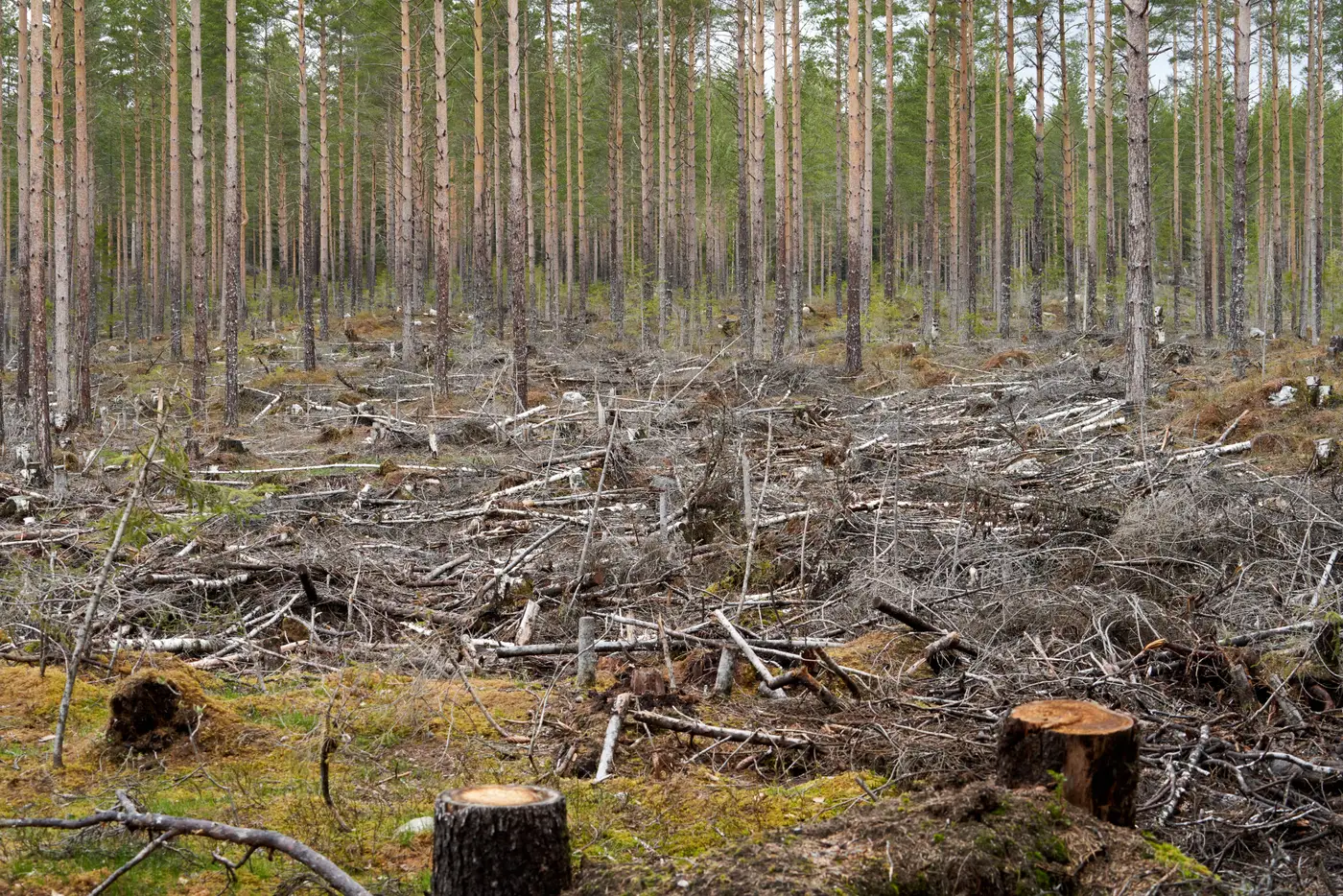
- Adjacency requirements: why a neighboring cutblock's harvest date can slip
What an adjacency requirement checks, how green-up delay gets calculated, and why a shifted cut boundary can push back the block next door.

- Field notes: the cutblock that looked clean from the air and wasn't
A compliance walk-through on why orthophotos pass a block that the tape measure won't, and what that gap costs an auditor's week.
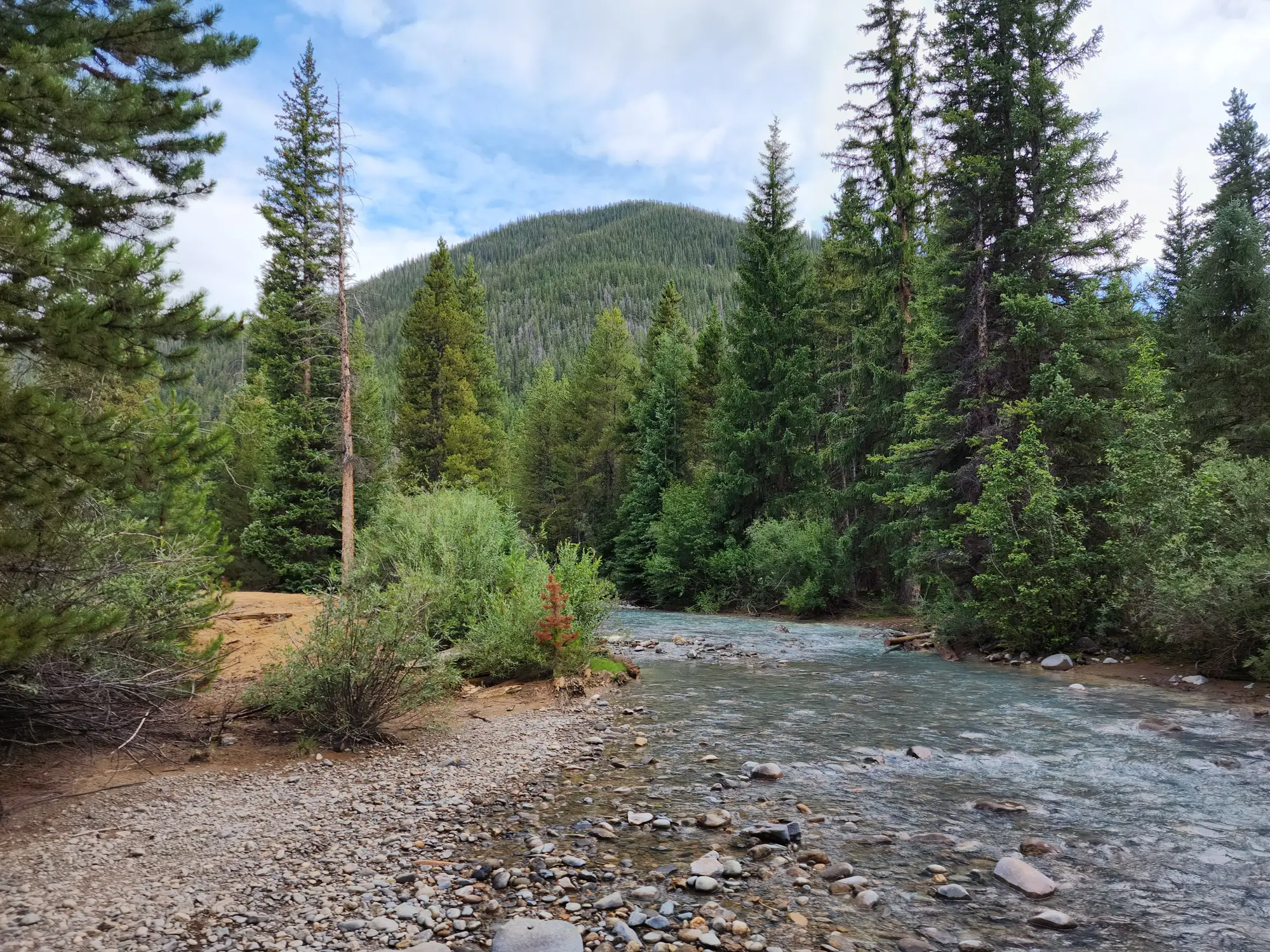
- Setting an overcut tolerance threshold before you flag a boundary
How to build an overcut tolerance threshold from survey accuracy, imagery resolution, and buffer sensitivity before sending a block to field review.
- Documenting a riparian buffer incursion: what belongs in the violation file
A field-ready checklist for documenting a riparian buffer incursion for a forest practices violation file, from measurements to chain of custody.
- Overcut vs survey error: reading a cutblock boundary mismatch before you write the notice
How to tell whether a cutblock boundary mismatch is overcut or a survey error, and what to confirm before issuing a notice of non-compliance.

- Field notes: the quarter the cut outran the permit
A field-notes look at why cutblock overcuts so often surface after the evidence is gone, and what closing the harvest-to-verification gap actually takes.
- GPS boundary survey vs satellite imagery for a cutblock perimeter check
DGPS survey and satellite change detection answer different questions for a cutblock audit. Here's which one to use and when.
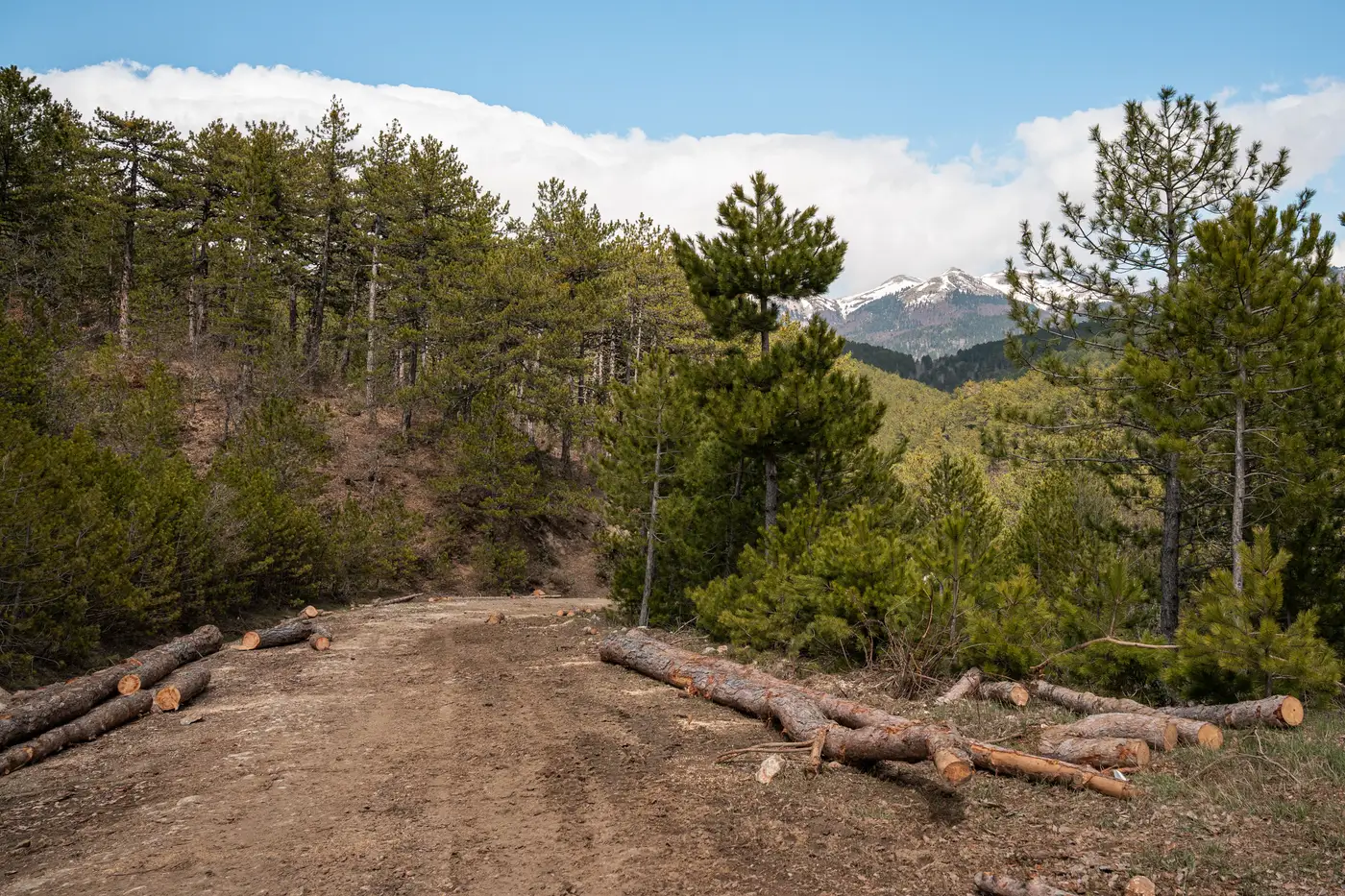
- RMZ vs RRZ: what's the difference in a riparian buffer?
RMZ and RRZ show up on the same permit but carry different harvest rules. Here's how the two zones differ and why that matters at audit time.
- Net area to be reforested: why it shrinks a cutblock's permitted boundary
Gross block area and net area to be reforested aren't the same line. Here's how NAR deductions change what a boundary audit should flag.
- Field notes: the block that looked compliant until we checked the buffer width
A field note on a cutblock whose outer line tracked the permit boundary while its stream buffer pinched to nothing along one meander.
- Leave strip vs. riparian buffer: telling them apart on a permit
Leave strip vs. riparian buffer explained for anyone auditing cutblock boundaries against a permit, including why the distinction changes the violation.
- Major vs. minor non-conformance in FSC audits, explained
How FSC audits classify major vs. minor non-conformances, what CARs require, and how surveillance differs from recertification audits.
- Free-growing declarations: what the paperwork claims vs what surveys verify
What a free-growing declaration certifies, how stocking surveys test it, and why silviculture and free-growing checks are not the same assessment.
- Minor boundary adjustment or permit amendment? Where the line sits
How auditors tell a minor boundary adjustment from a cutting permit amendment, and why area and intent, not distance, set the variance tolerance.
- What is a wildlife tree retention area, and how do auditors check the boundary?
A field guide to WTRA compliance: what a wildlife tree retention area is, what the permit requires, and how the boundary gets checked.
- How often should cutblock boundaries be reinspected?
There's no fixed cutblock reinspection frequency. Here's how base cycles, risk triggers, and remote review shape the compliance monitoring cycle.
- How to calculate overcut area from a cutblock permit
A step-by-step method for finding overcut area and buffer incursions from a cutblock permit, from reference boundary to GIS overlay.
- What counts as a reportable boundary deviation in forest practices
What makes a cut boundary deviation reportable under forest practices rules, where thresholds come from, and why riparian buffers get judged differently.
- What is a riparian buffer incursion?
A plain explanation of what counts as a riparian buffer incursion, why it happens, and how compliance reviewers catch it before a field visit.